
When cynicism feels like realism, Jesus keeps opening the door to resurrection hope.
The body content of your post goes here. To edit this text, click on it and delete this defaultThroughout our lives we absorb stories about God, about ourselves, and about the world. Lent invites us to gently lay some of these stories down. In each post in this Lenten series, Pastor Nate will name one belief that may no longer be serving our faith and explore how Christ reshapes it.
Cynicism often feels like wisdom. It protects us from disappointment and lowers expectations so we are not surprised when things fall apart. After enough broken promises and painful headlines, cynicism can begin to feel like the most realistic way to move through the world.
But cynicism slowly hardens the heart. It assumes that nothing will really change, that goodness is always temporary, and that hope is mostly wishful thinking.
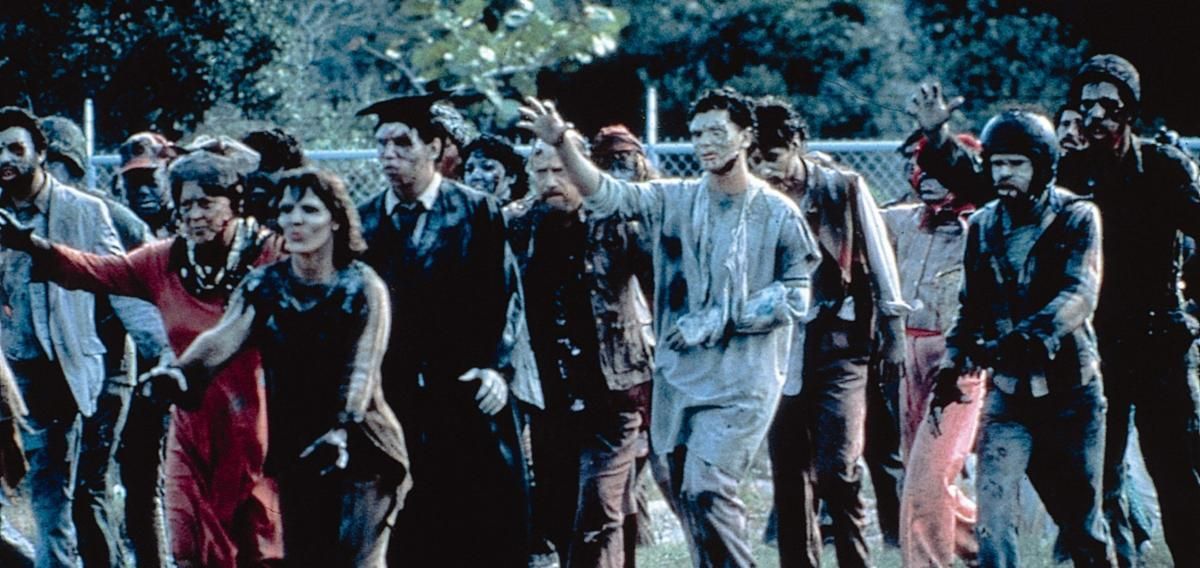
Scripture, however, offers a different vision. In the 37th chapter of the book of Ezekiel we read about a valley filled with dry bones, an image meant to communicate utter hopelessness. Yet God asks Ezekiel a strange question: “Can these bones live?” And somehow, through God’s breath, they do.
Our Christian story never asks us to ignore how difficult the world can be. The events of Jesus’ crucifixion show us how deep suffering and injustice can run. But the resurrection reminds us that God is always working beyond what we can see.
Unlearning cynicism does not mean becoming naïve. It means refusing to let disappointment close our hearts to the possibility that God is still bringing new life into the world, even when all seems hopeless.
Reflection question:
Where has cynicism begun to shape your expectations more than the quiet hope of resurrection?
text and start typing your own or paste your own from a different source.